Full Birch Marine Plywood: When Should You Choose It?
Analysis of Full Birch Marine Plywood, its core Birch characteristics, applications, adhesive bonding requirements, and selection guidelines for furniture manufacturing.
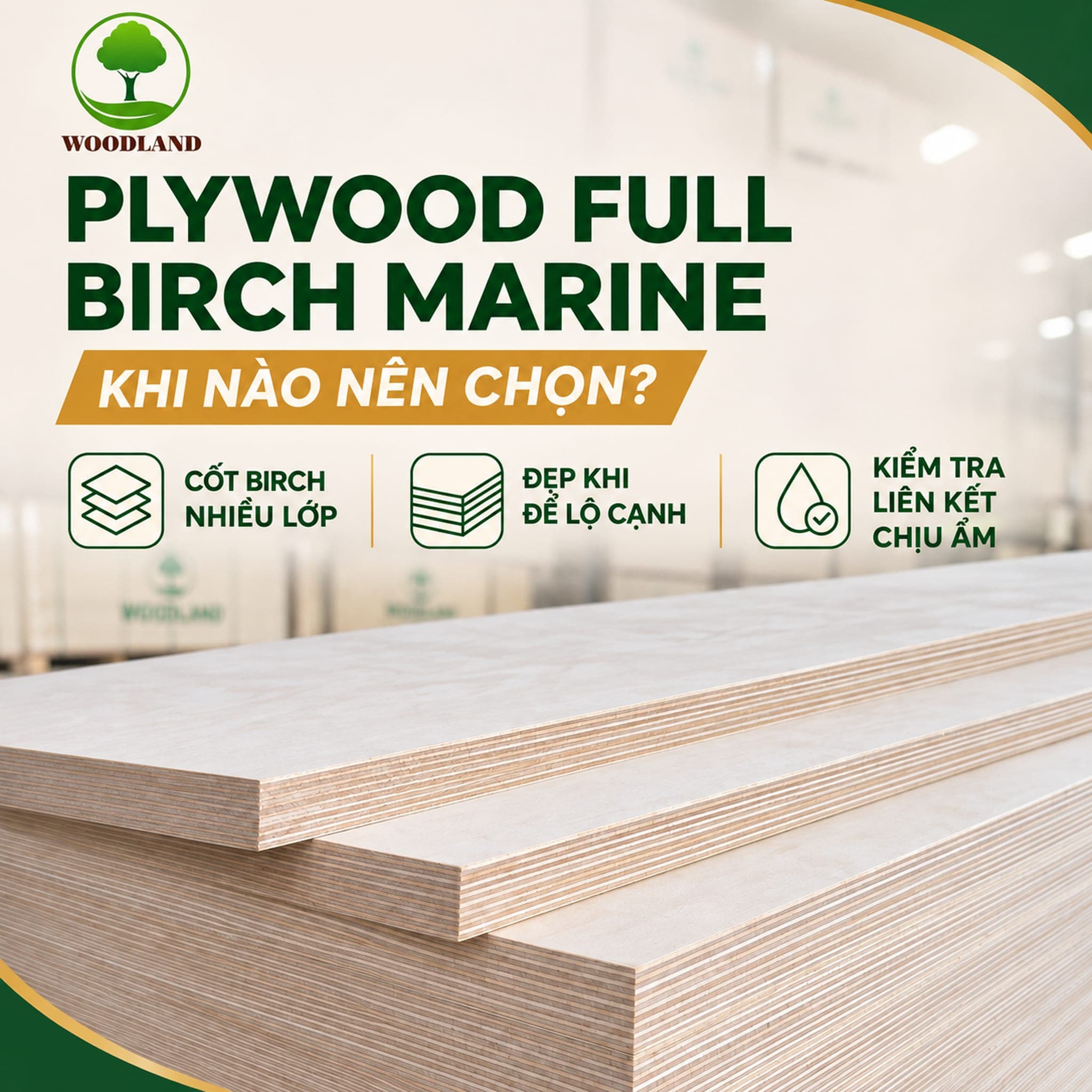
Plywood Full Birch Marine: When should you choose it?
In many interior designs, the edge of the board is no longer a detail that needs to be covered but becomes an aesthetic part of the product. Full Birch Marine plywood attracts attention due to its continuous Birch veneer structure, yet its moisture resistance must be determined separately based on the quality of the bonding. Therefore, choosing Full Birch Marine should start from the design requirements and technical specifications, not merely from the name.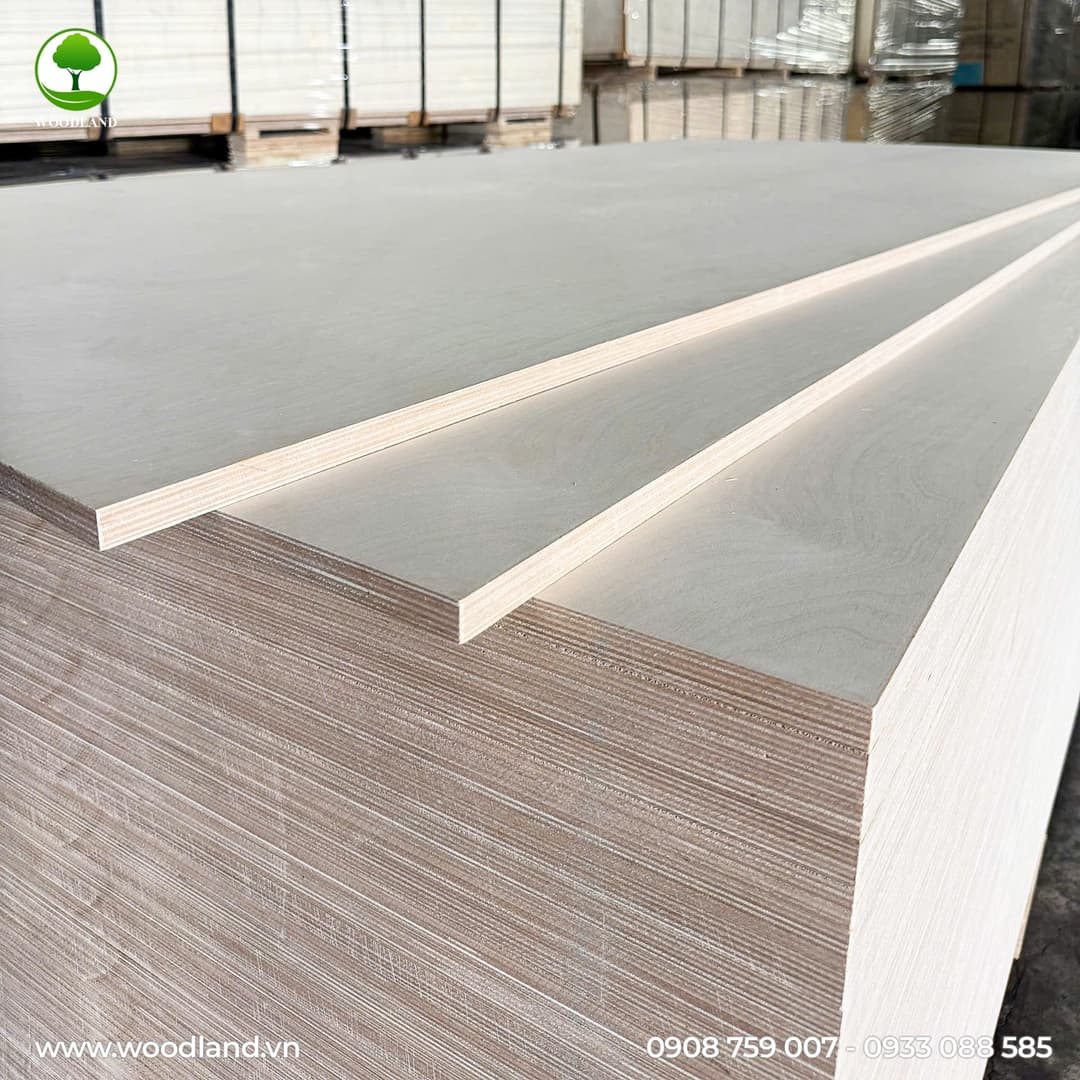
1. What is Full Birch Marine?
Full Birch describes a structure that uses continuous Birch veneer across all layers. “Marine” is a commercial designation referring to applications that require moisture resistance; it does not replace certification that meets a specific standard. Full Birch must be distinguished from Birch Combi, where the inner layers may combine other wood species.
2. How does the construction affect processing?
2.1. Multi‑layer Birch core
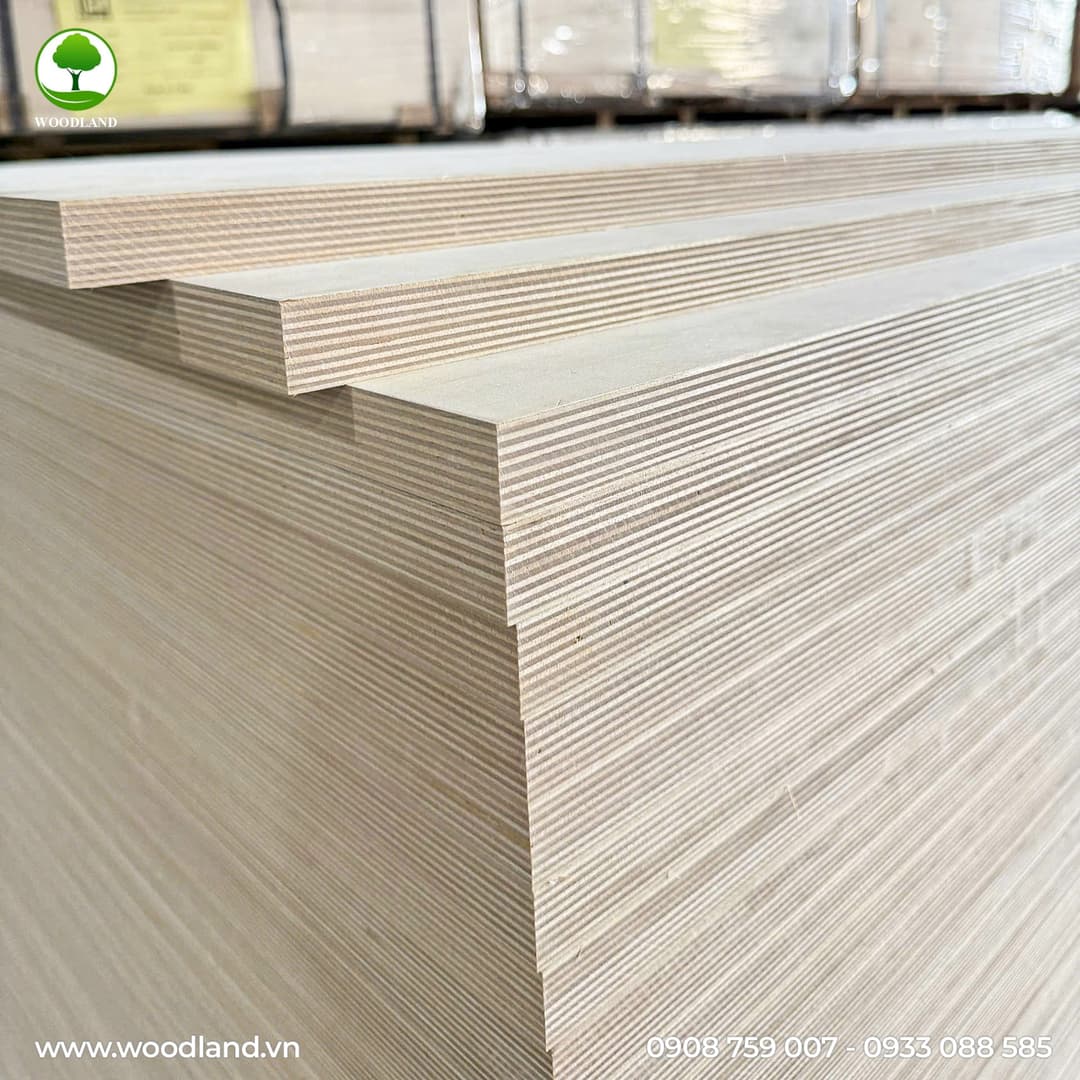
The alternating‑layer structure helps improve dimensional stability. A homogeneous Birch core within the same wood group can facilitate edge‑exposure designs, but the actual quality still depends on gaps, veneer bonding, moisture content, and the pressing process. One should not assume a fixed number of layers or veneer thickness for all specifications.
2.2. Adhesive bonding
The moisture‑resistance level of the bond must be confirmed by the product‑code test documentation. EN 314‑2 Class 3 relates to the classification of adhesive bond quality; it does not automatically mean compliance with BS 1088. The adhesive system and formaldehyde emissions are two separate evaluation criteria.
3. When is Full Birch Marine the appropriate choice?
The material is worth considering for interior details that expose the board edge, shaped‑routing components, or designs that require a continuous Birch core. For products with attached hardware, the factory should test screw holding, edge‑drilling, and post‑machining accuracy. For concealed details or when weight reduction is a priority, choosing Full Birch may not provide a cost‑effective benefit.
4. Applications in furniture
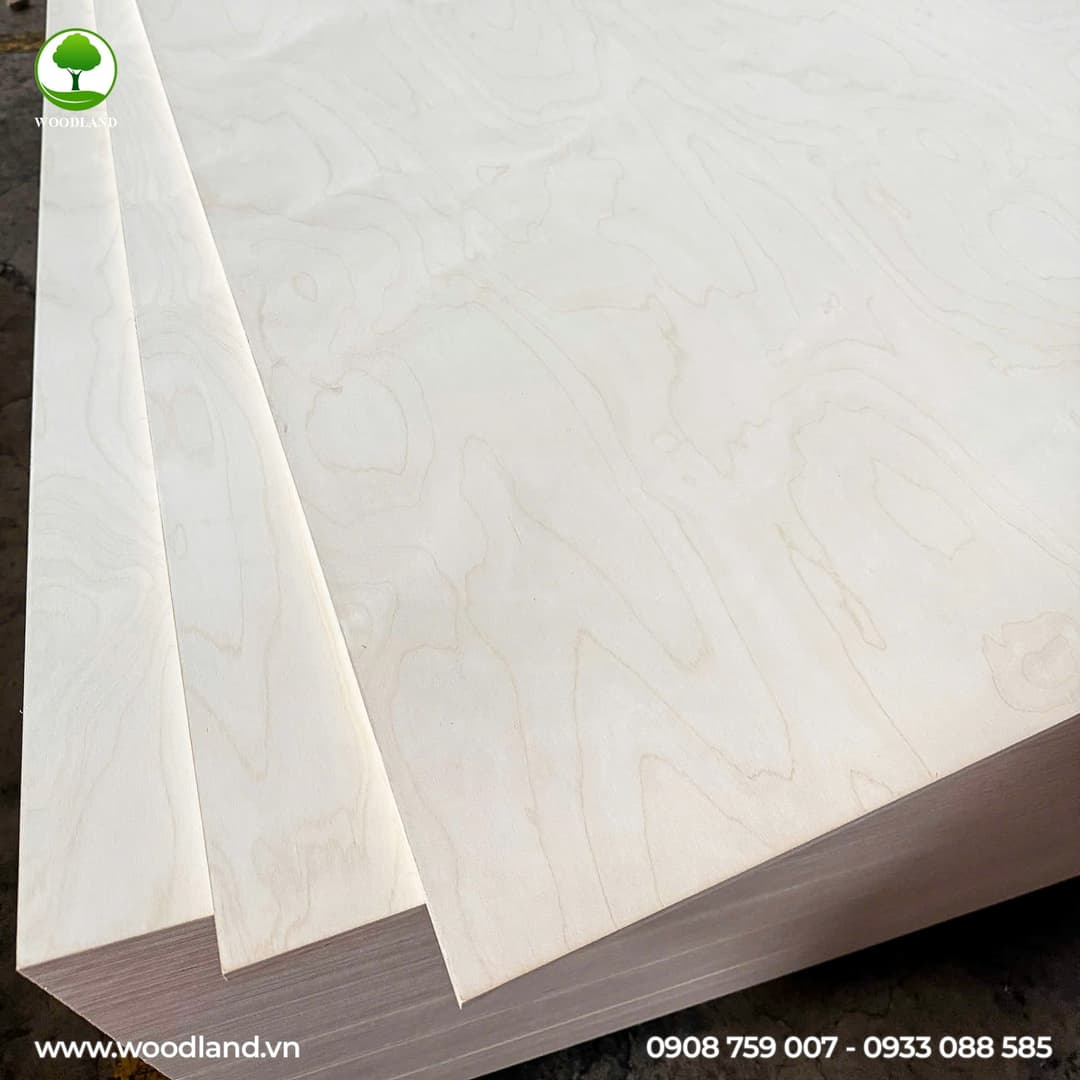
Full Birch Marine can be suitable for cabinets, shelves, tables, chairs, assembled furniture, and CNC‑machined parts when it meets the design criteria. In areas exposed to water spray, surface finishing and edge protection must be combined. The material should not be considered a standalone waterproof solution. Outdoor conditions or prolonged water exposure require separate evaluation.
5. Comparison with Poplar Marine
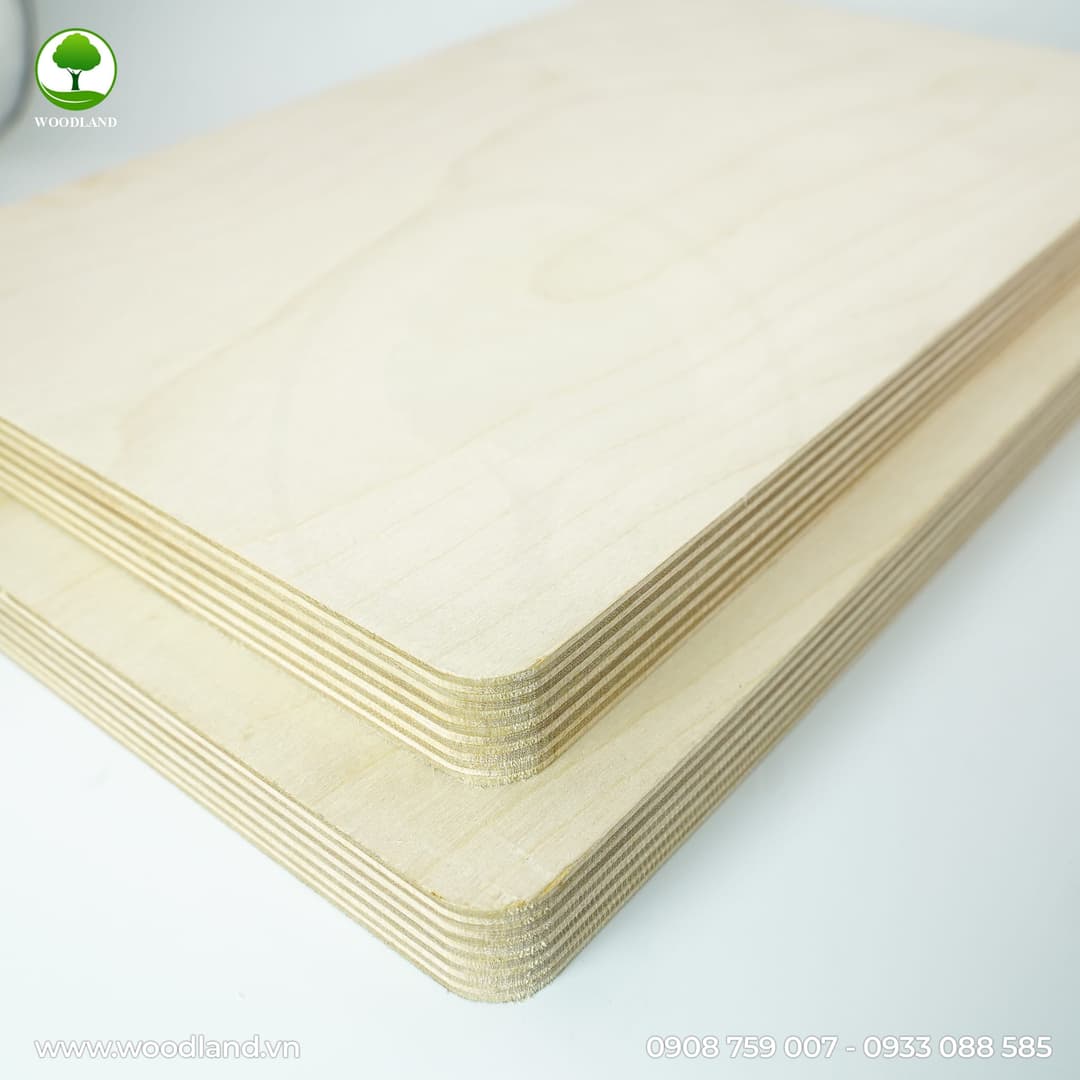
Full Birch typically has a higher density than Poplar and a higher raw‑material cost. Poplar may be more suitable for products that prioritize weight and price. The water‑resistance of the two grades must be compared based on bond class and actual testing; they cannot be compared solely by wood species.
6. Pre‑order checks
Customers should request a sample cross‑section, confirm face grade, dimensions, tolerances, moisture content, and adhesive bond requirements. For edge‑exposed products, milling or sanding a sample is needed to assess gaps and veneer uniformity. For export orders, additional checks on emissions and the corresponding documentation are required.
7. Selection at Woodland
Woodland aims to advise material choices based on real production needs. When discussing Full Birch Marine, customers can provide detailed drawings, edge‑finish requirements, and usage conditions to determine the appropriate configuration and avoid over‑specifying.