Engineered Wood and Environmental Protection: A Smart Choice for Modern Consumers
Nowadays, when choosing furniture, consumers not only consider price and design but also pay greater attention to the environmental impact of the materials. This is why engineered wood is increasingly regarded as a suitable solution for modern furniture.
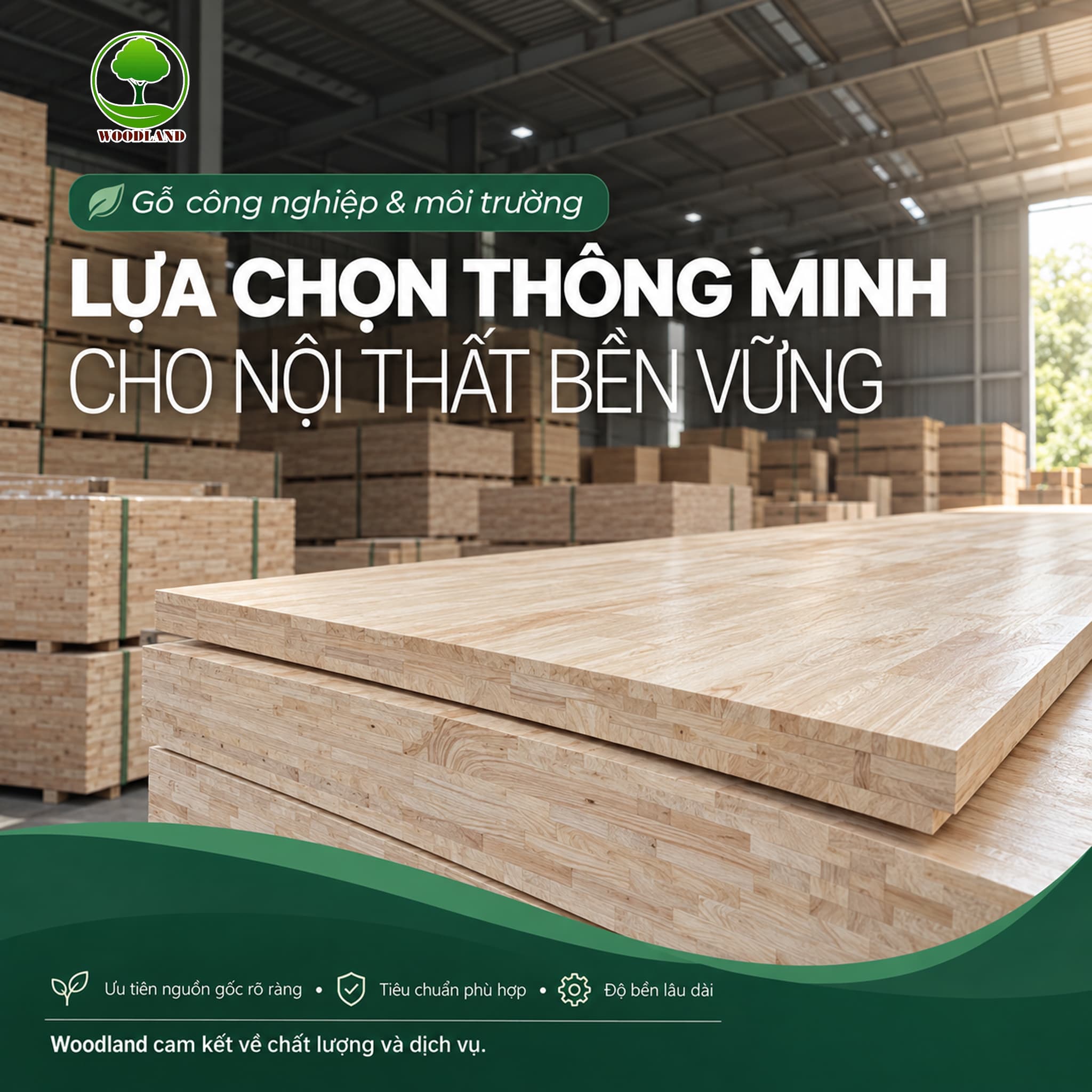
Engineered wood and the environmental protection challenge: A smart choice for modern consumers
Today, when choosing furniture, consumers not only consider price and design but also pay more attention to the material's impact on the environment. This is why engineered wood is increasingly regarded as a suitable solution for modern furniture.
Engineered wood – utilizing raw material, optimizing value
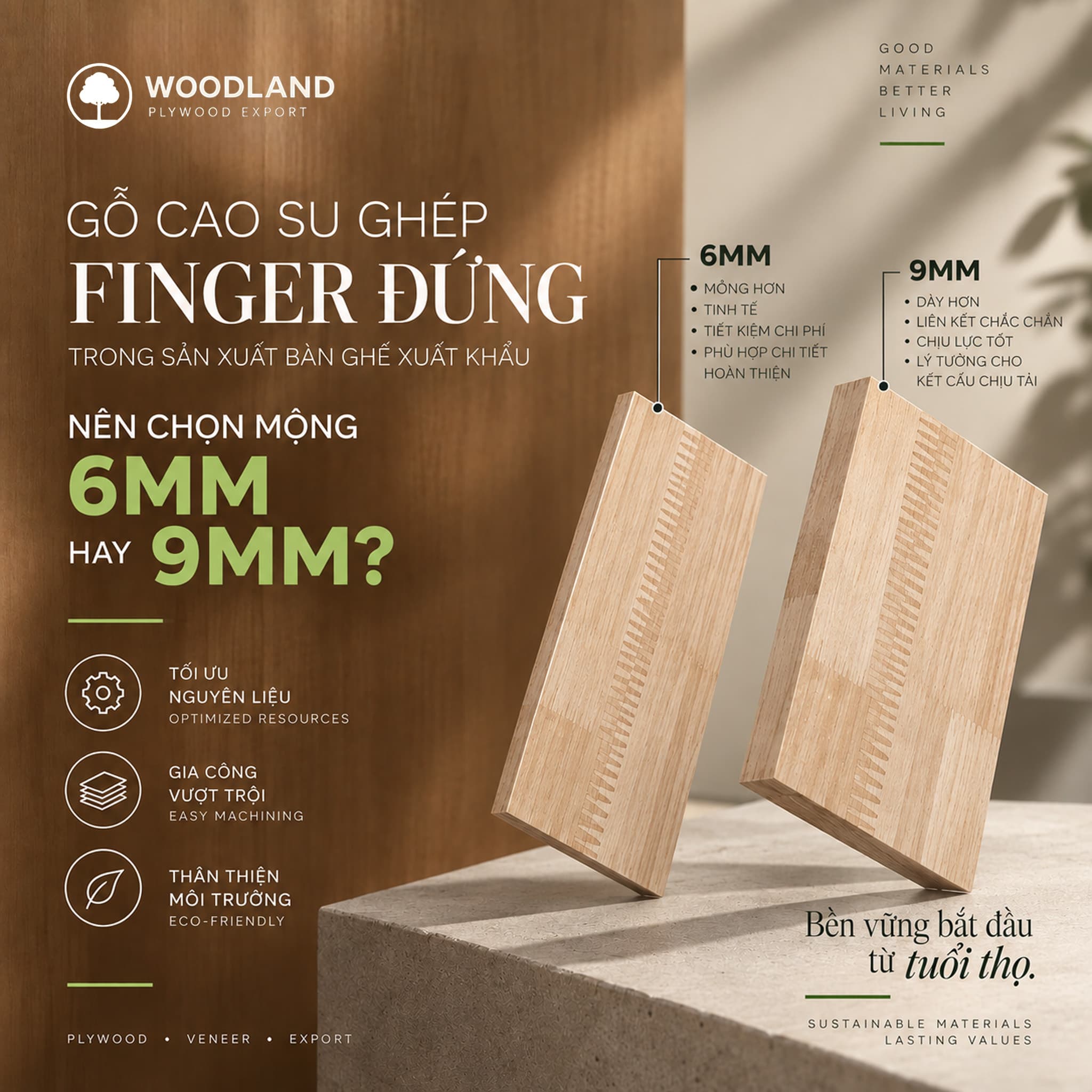
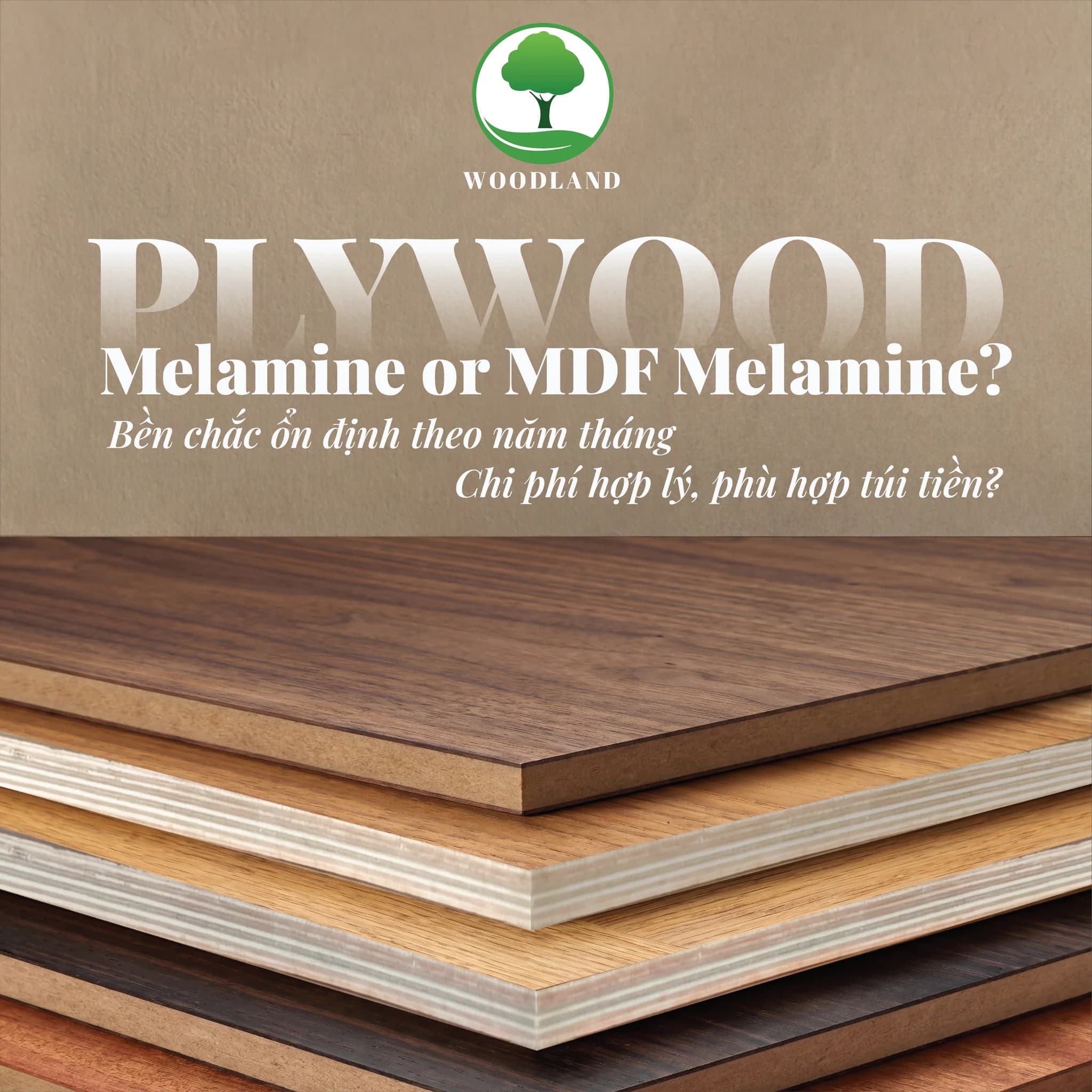
Engineered wood is produced from various raw material sources such as plantation timber, small-dimension wood, or other resources that are utilized and processed into panels for furniture manufacturing.
Compared with using only large tree trunks, this process makes more efficient use of raw material. However, not all types of engineered wood have the same quality and environmental friendliness.
The important factor lies in the raw material origin, manufacturing technology, and product standards.
"Green" is not limited to the material itself
When it comes to environmentally friendly materials, many people only consider whether the product is made of wood. In reality, one must look at the entire lifecycle of creating and using the product.
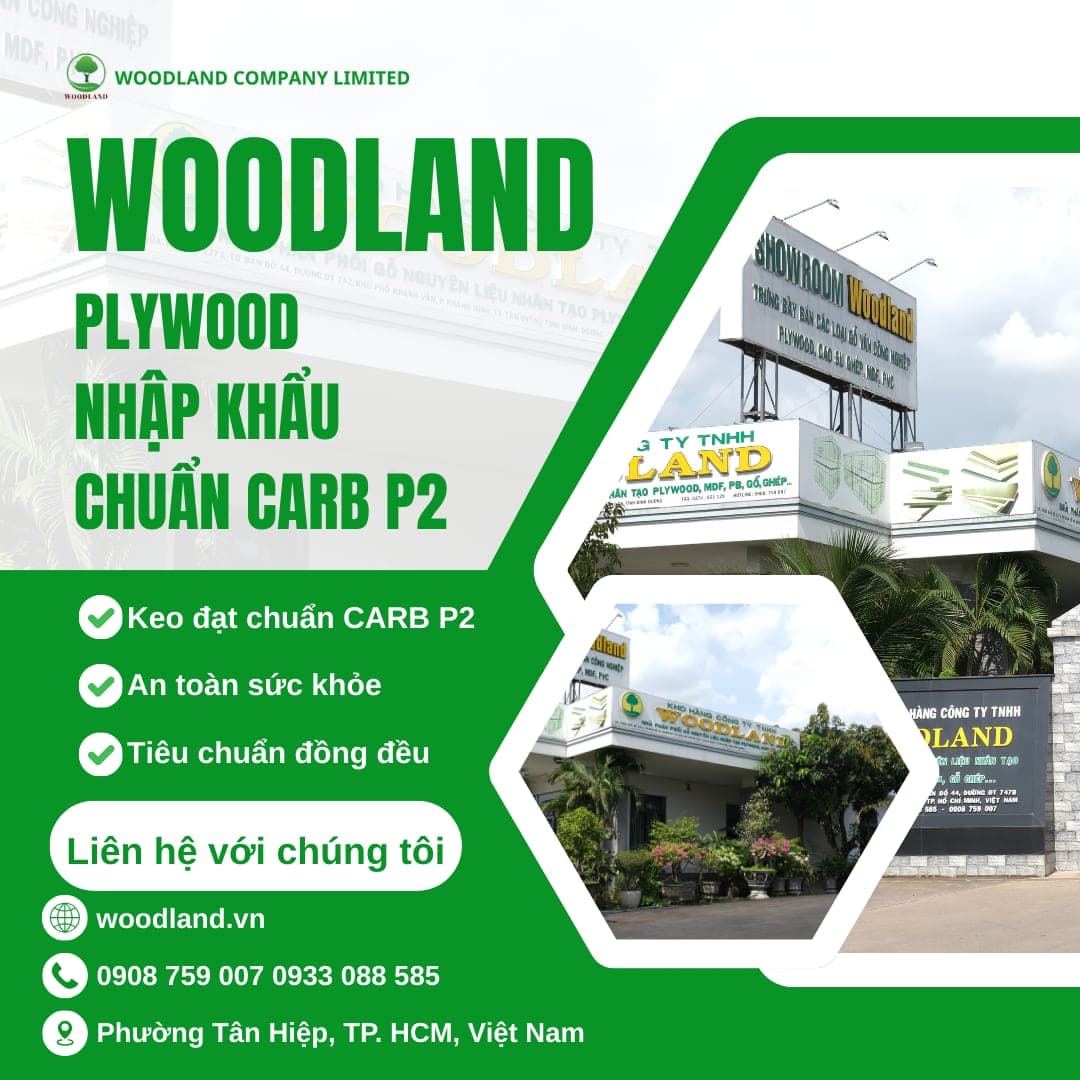
Clear origin, appropriate production processes, and emission control standards are key considerations. For furniture materials, standards such as CARB P2 and E1 are also commonly noted by users because they relate to formaldehyde emission levels.
Therefore, instead of merely asking "what type of engineered wood is this?", buyers should also consider: Where does it come from? Which standards does it meet? Is it suitable for the intended use?
Durability is also an environmental protection factor
A high‑quality product that matches usage conditions and is properly processed will have a longer service life.
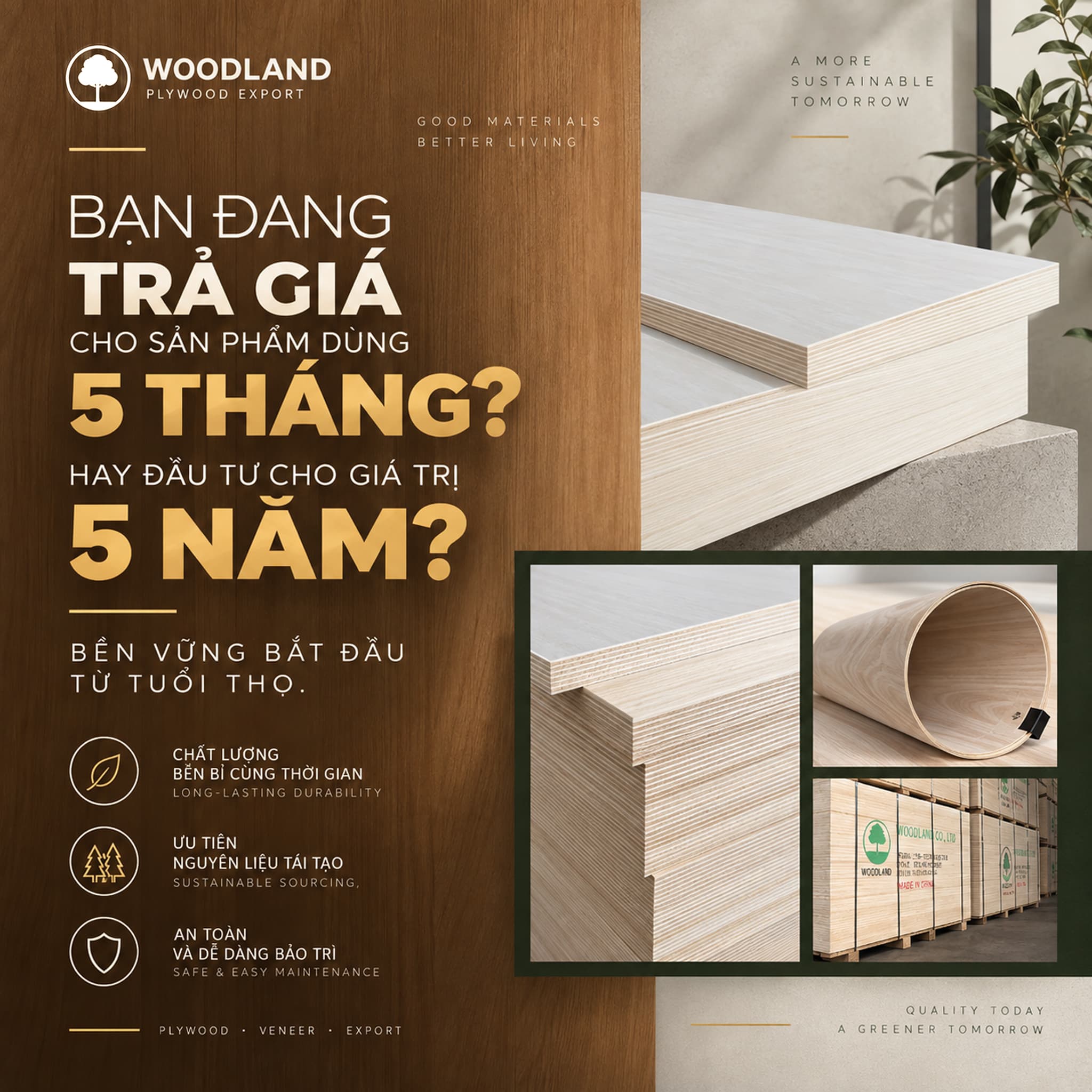
When furniture needs less frequent replacement, the amount of raw material, energy, and resources required to produce replacement items is also reduced. Hence, durability not only brings economic value but also forms part of a sustainable material usage mindset.
Smart choices start with the right selection
Modern consumers do not necessarily have to seek a completely "green" material, but should choose a material that meets the need, meets the standards, and has a clear origin.
A board that fits the function, has stable quality, and can be used for a long time will always be more valuable than a choice based solely on the initial price.
Environmental protection sometimes begins with a very simple decision: choose the right material for the right purpose and use it for a long time.
Woodland is committed to quality and service.
We believe the best way to protect the environment is to create materials with superior quality, lasting durability, and easy maintenance. With Woodland, quality lies not only in vibrant aesthetics but also in long lifespan, low ecological footprint, and a preference for renewable raw materials. All our efforts aim at safety and convenience in production.