Marine Poplar Plywood: Structure, Characteristics, How to Choose
Plywood Poplar Marine is one of the options worth considering when a plant needs to balance processing requirements, weight, and cost.
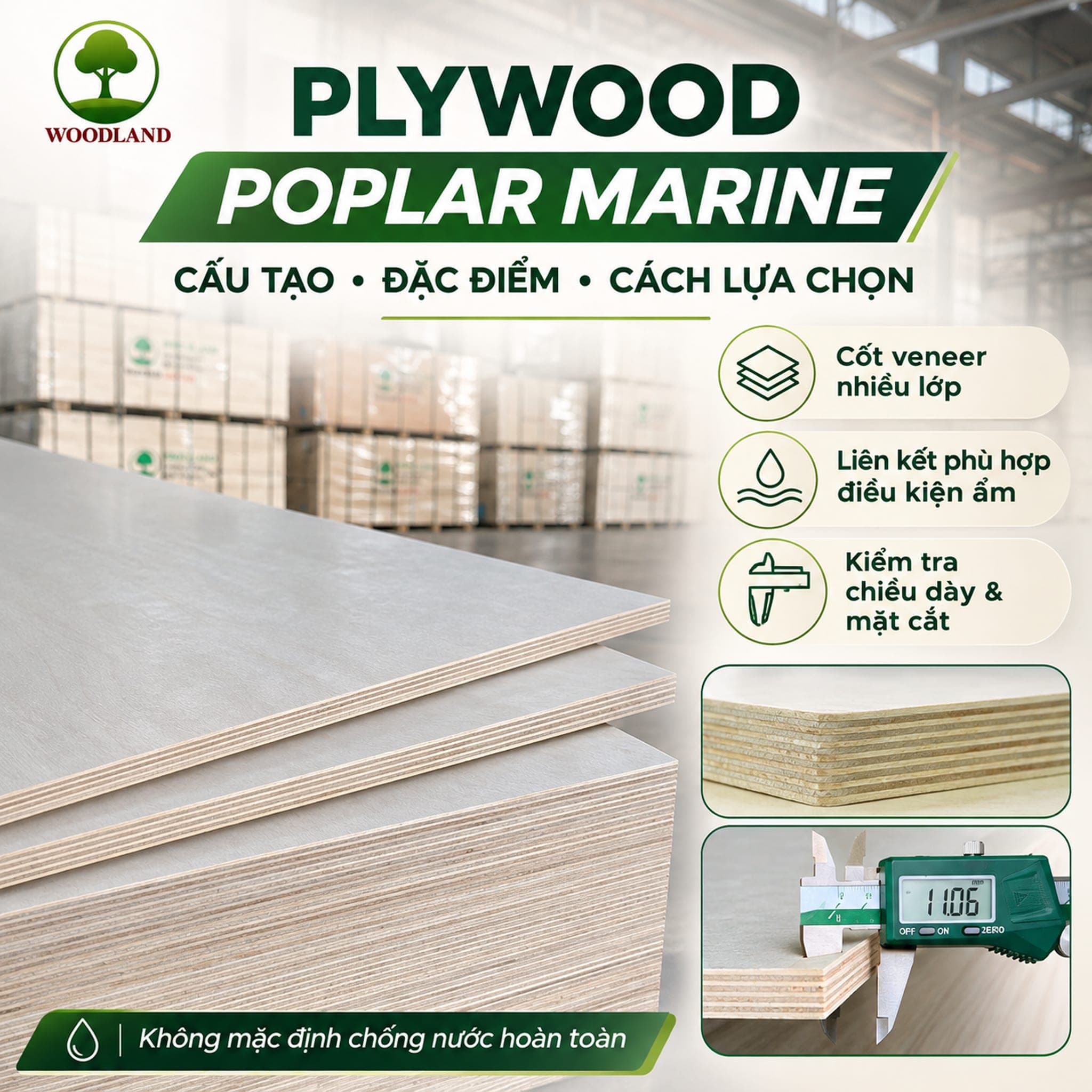
Plywood Poplar Marine: Structure, Characteristics, and Selection Guidelines
In furniture manufacturing, selecting plywood for high‑humidity areas must be based on the material’s construction and bond quality, not merely the “Marine” label. Plywood Poplar Marine is one of the options worth considering when a plant needs to balance processing requirements, weight, and cost. This article clarifies the material’s nature, the factors to inspect, and the appropriate range of applications.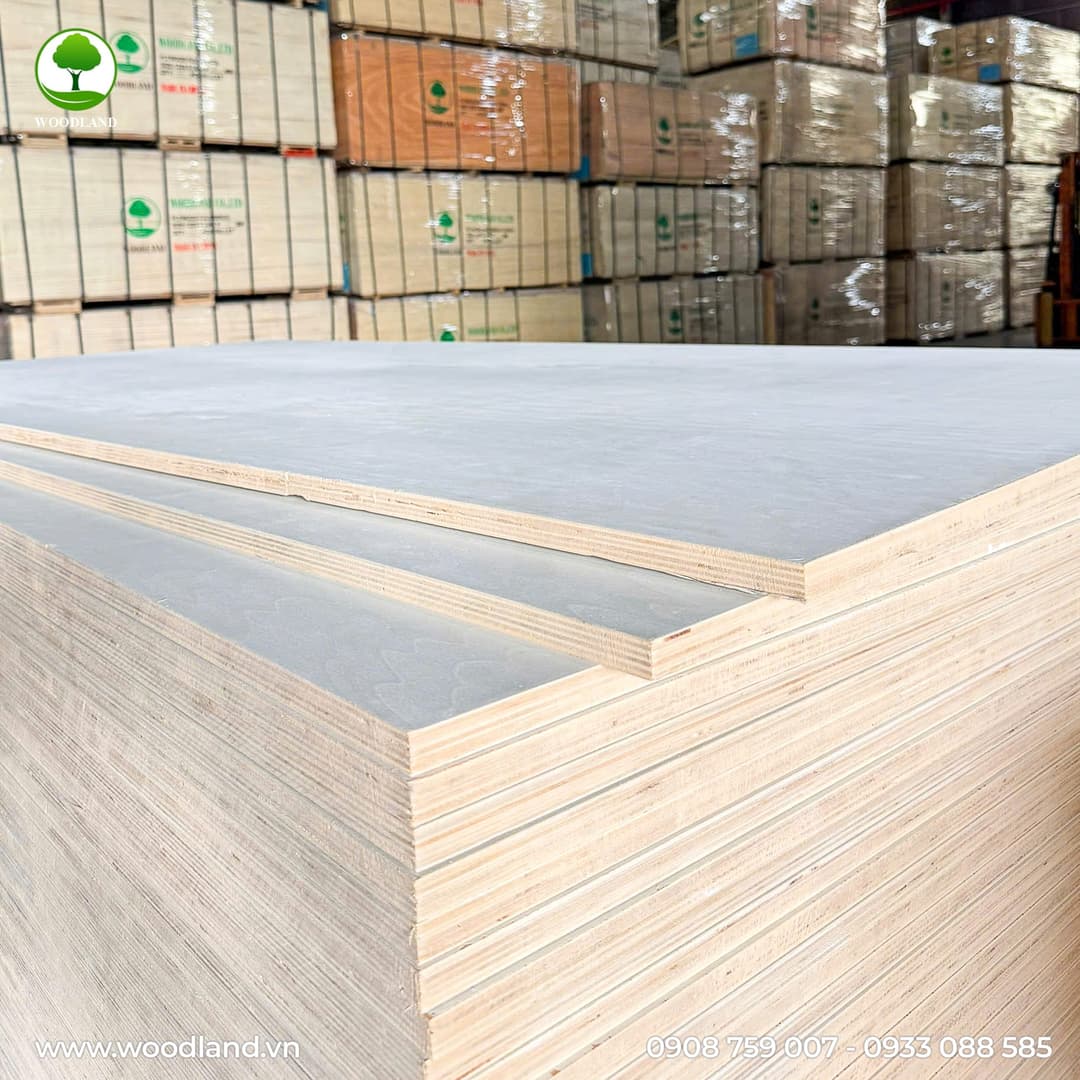
1. What is Plywood Poplar Marine?
Plywood Poplar Marine is a trade name for a line of plywood that uses Poplar wood in its core and is intended for applications where bond durability under moisture is a concern. The actual core configuration can vary by product code; therefore, it should not be assumed that all Poplar Marine sheets have the same number of layers, veneer type, or bond grade.
The Marine designation does not automatically certify that the product meets BS 1088 or any other specific standard. When an order specifies a standard, the appropriate test documentation for the exact plywood code must be cross‑checked.
2. Structure and Components to Inspect
2.1. Veneer and Core Structure
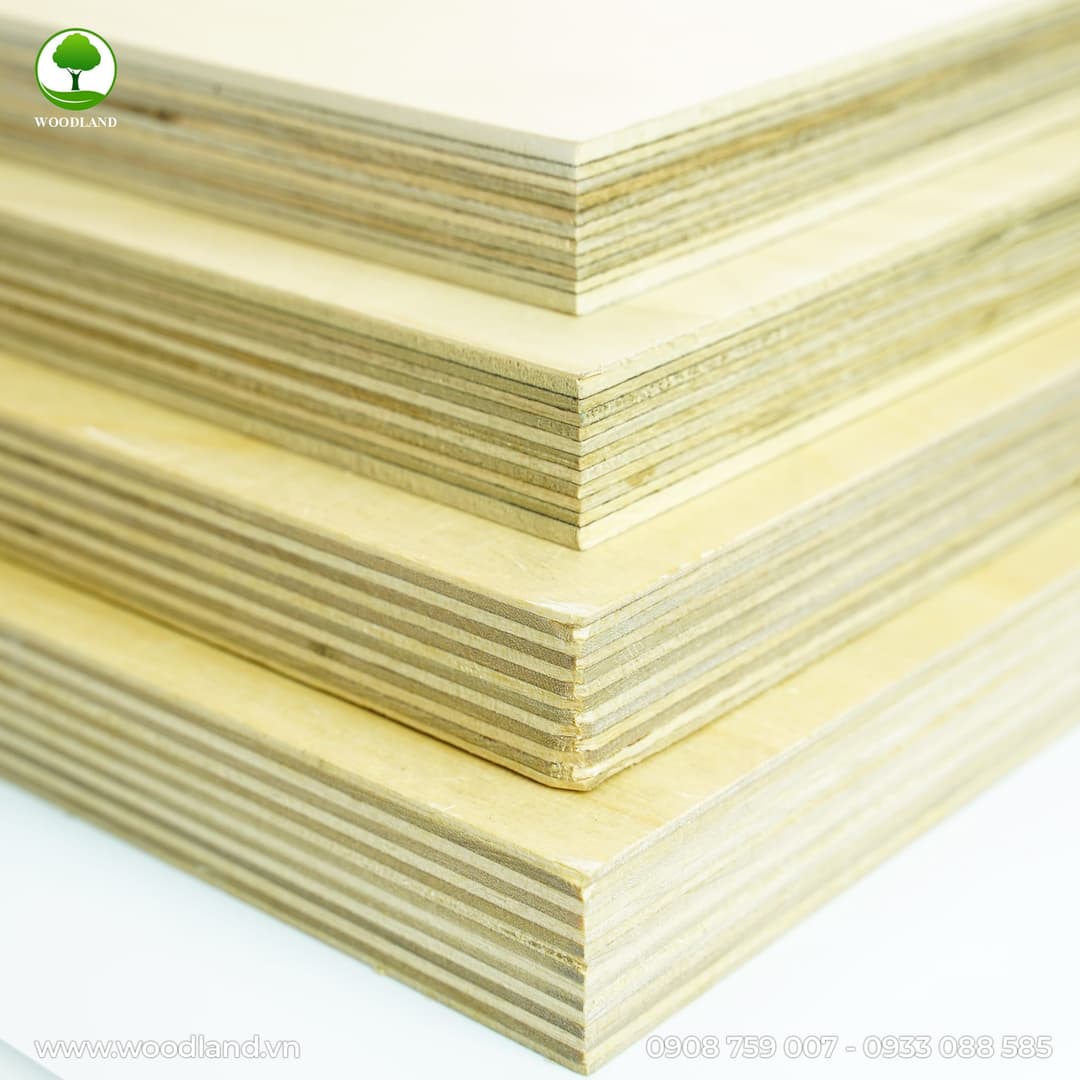
Plywood is made from layers of veneer stacked and bonded with adhesive. The grain direction of the layers is usually alternated to improve dimensional stability. For Poplar Marine, core quality depends on veneer uniformity, gaps, layer‑to‑layer alignment, and the pressing process. Plants should examine the cross‑section after sawing to identify any voids or lamination defects that could affect machining.
2.2. Adhesive System and Water Resistance
The ability to retain bond strength when exposed to moisture depends on the adhesive system, its formulation, and manufacturing quality. One should not rely solely on the adhesive name (e.g., MUF) or a “WBP” description to conclude water resistance. For applications at risk of splashing or standing water, the service conditions and bond test reports must be clarified. The wood itself can still absorb moisture and swell even when the adhesive is water‑resistant.
3. Features Relevant to the Plant
3.1. Weight and Machinability
Poplar generally has a lower density than Birch, so a Poplar core can be advantageous for products where weight control is important. However, board weight also depends on moisture content, thickness, and core composition. Cutting, drilling, and milling performance must be tested on the specific grade and with the plant’s equipment; a clean straight cut alone is insufficient to judge edge milling quality or screw‑holding capability.
3.2. Surface and Finishing
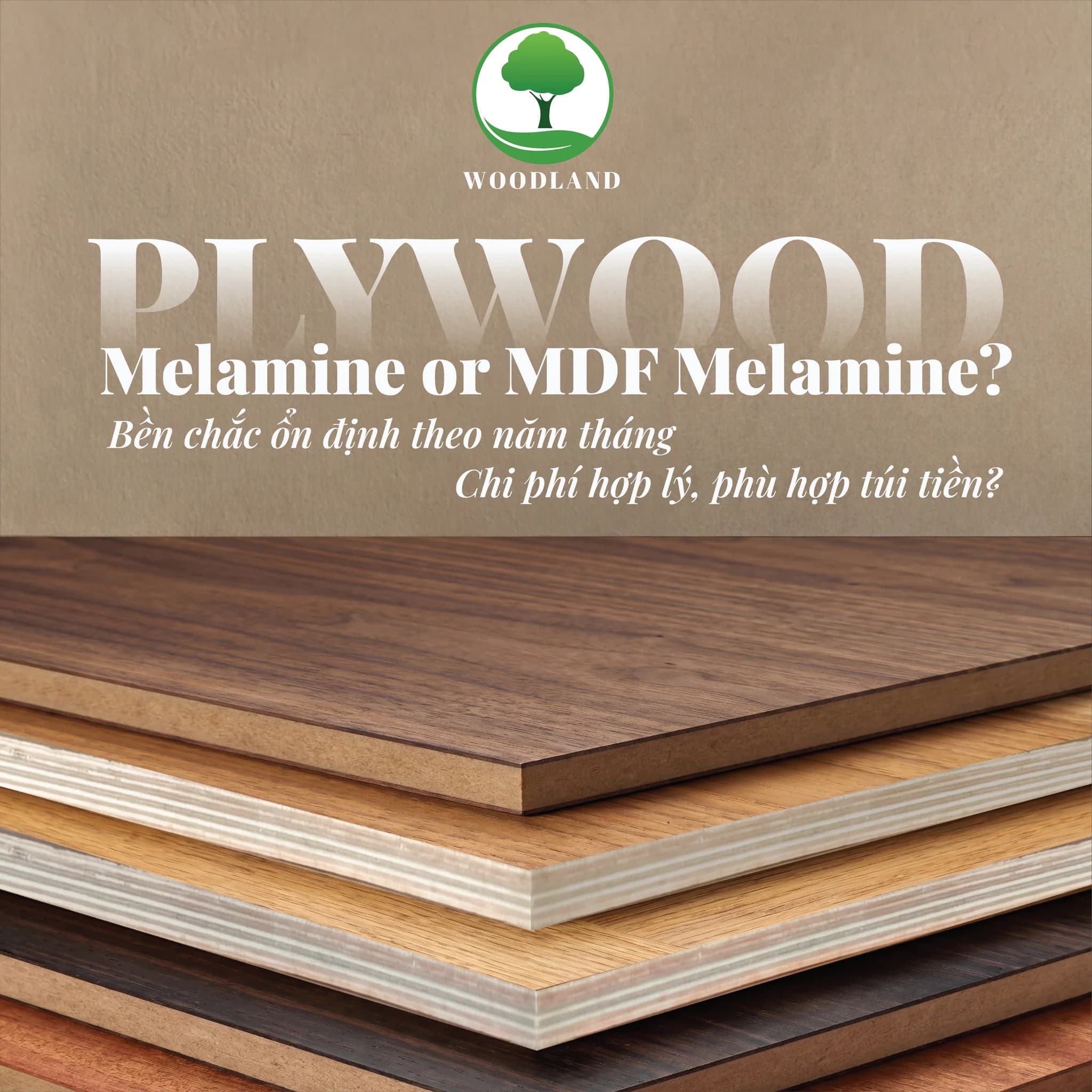
Surface requirements differ between melamine‑faced boards, veneer‑laminated panels, painted finishes, or concealed components. Grade, flatness, and acceptable defects need to be agreed upon before ordering. When applying a surface finish, the plant must also assess the core’s compatibility with its pressing and coating processes.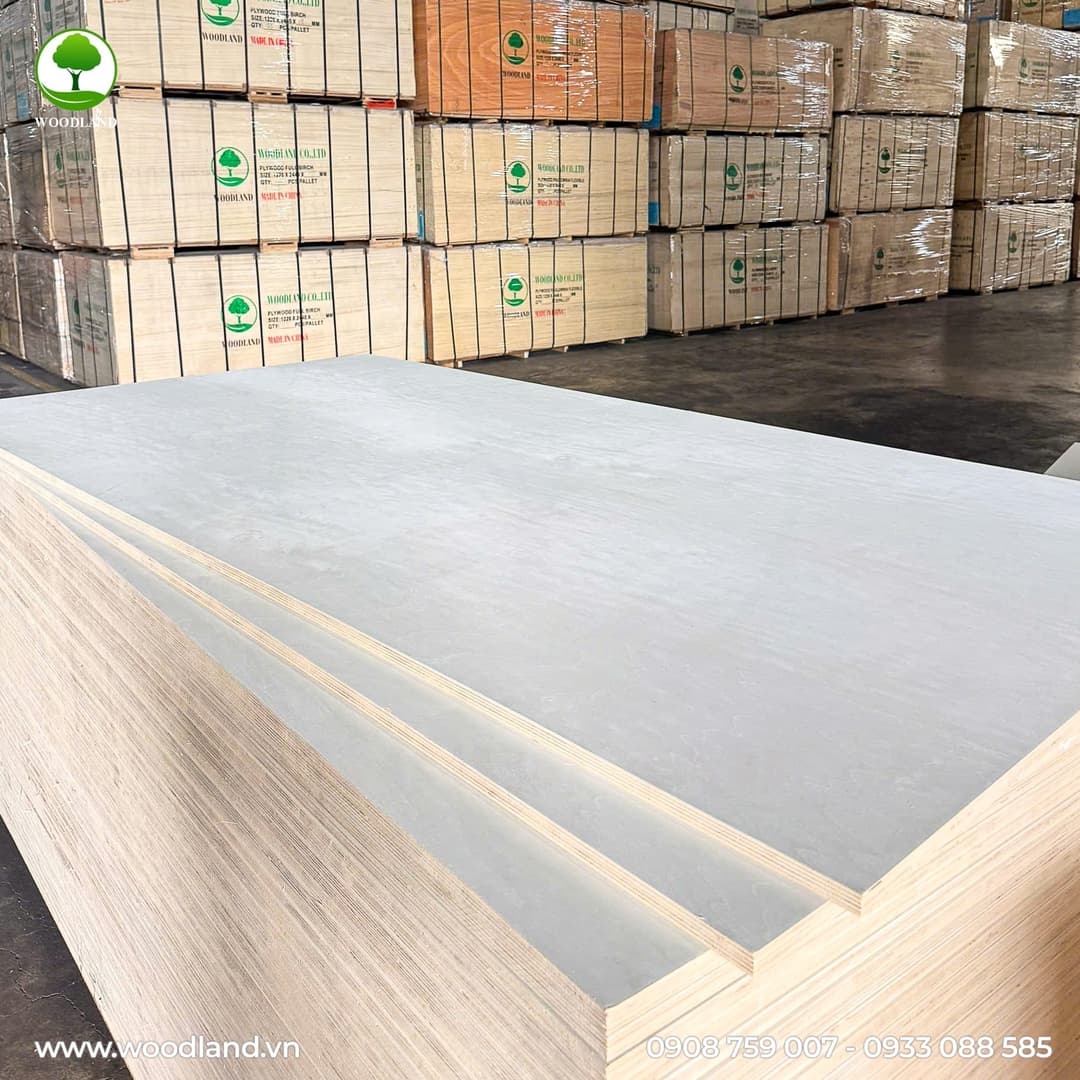
4. Suitable Applications
Poplar Marine can be considered for cabinet parts, shelves, residential furniture, and certain items in high‑humidity zones when the product configuration meets the design specifications. For kitchen cabinets or wash‑basin units, protecting cut edges, drill holes, and water‑contact areas is as important as the core selection. The Marine label alone does not imply suitability for outdoor use or prolonged immersion.
5. Selection and Acceptance of Poplar Marine
Before purchase, the plant should confirm nominal thickness, tolerance, dimensions, surface grade, core structure, and adhesive bond grade. Upon receiving samples, thickness should be measured at multiple locations, cross‑sections inspected, and cutting and drilling trials performed on actual equipment. For mass production, acceptance criteria should be set per batch rather than judging solely on a single flawless sheet.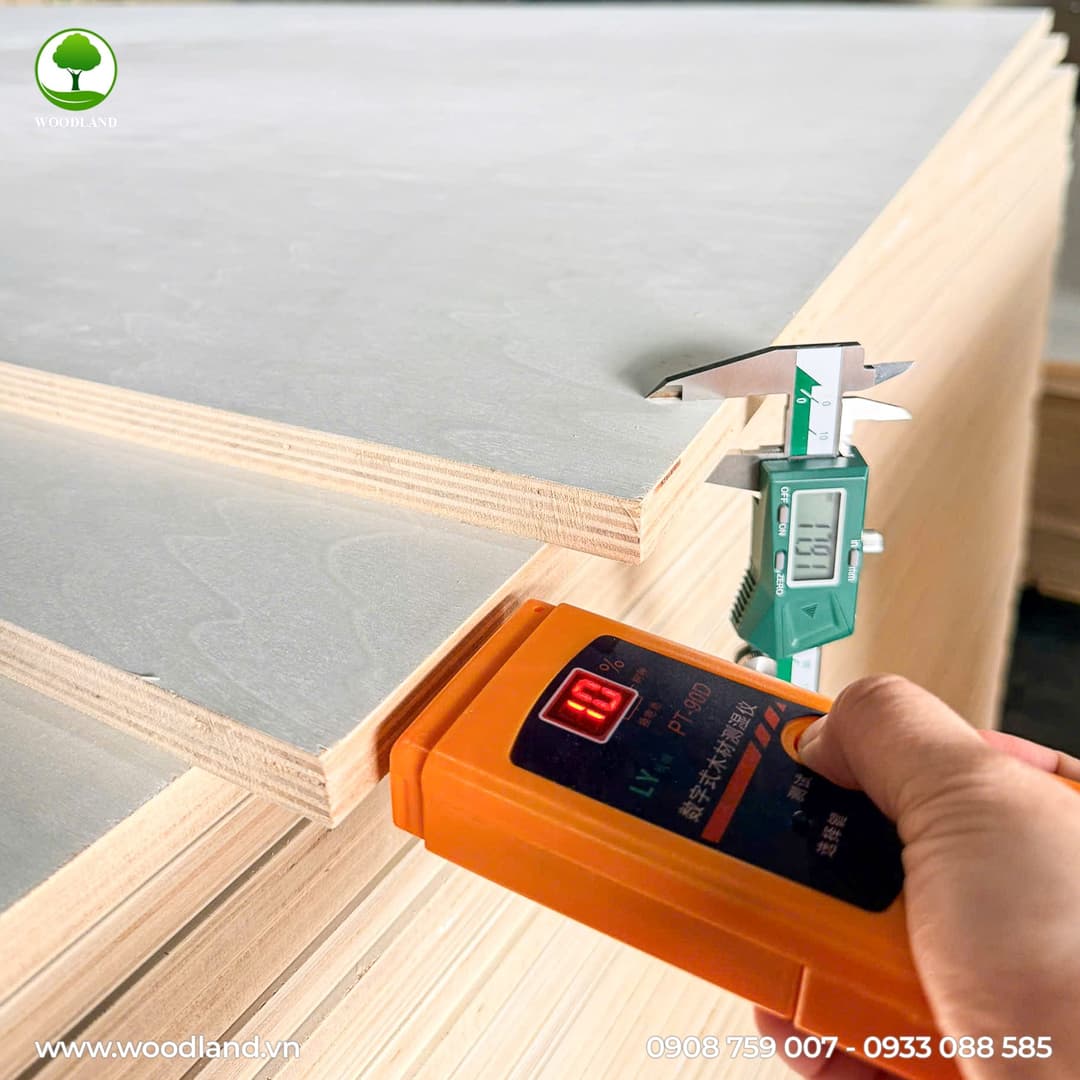
6. Poplar Marine and Full Birch Marine: which should be chosen based on what requirement?
Poplar Marine is often worth considering when weight and cost balance are priorities. Full Birch Marine is more suitable when the design calls for an all‑Birch core or when the aesthetic of the board edge is a key factor. It cannot be concluded that Full Birch is more water‑resistant than Poplar without comparing the bond grades and test results of each product.
7. Material Consultation at Woodland
Woodland provides information to help customers select the correct plywood line according to design, usage conditions, and processing methods. For Poplar Marine, customers should submit specifications regarding grade, surface, and service environment.